-
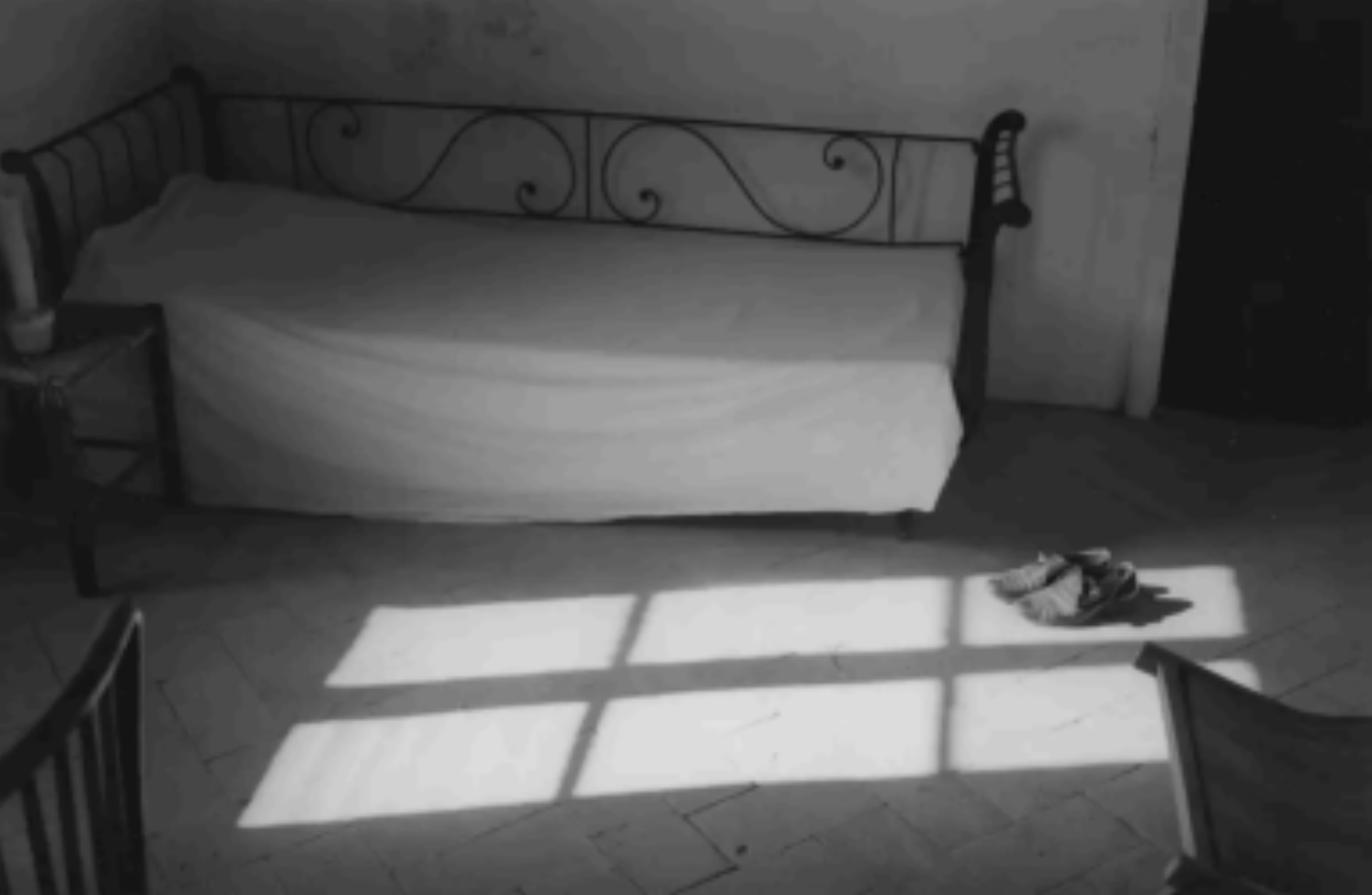
Le départe
“The sun is thrashing against the windows now. Your departure has me fixing myself a tomb.”
-

Proof of Life
“Since then, I’ve begun to feel slightly disturbed, certainly more so than I used to, when these flashes of the outside world get through the gates. An antenna had sprouted out of my skull, sending surges of electricity through my nerves whenever it detected an aberration.”
-

I Let Myself Fall
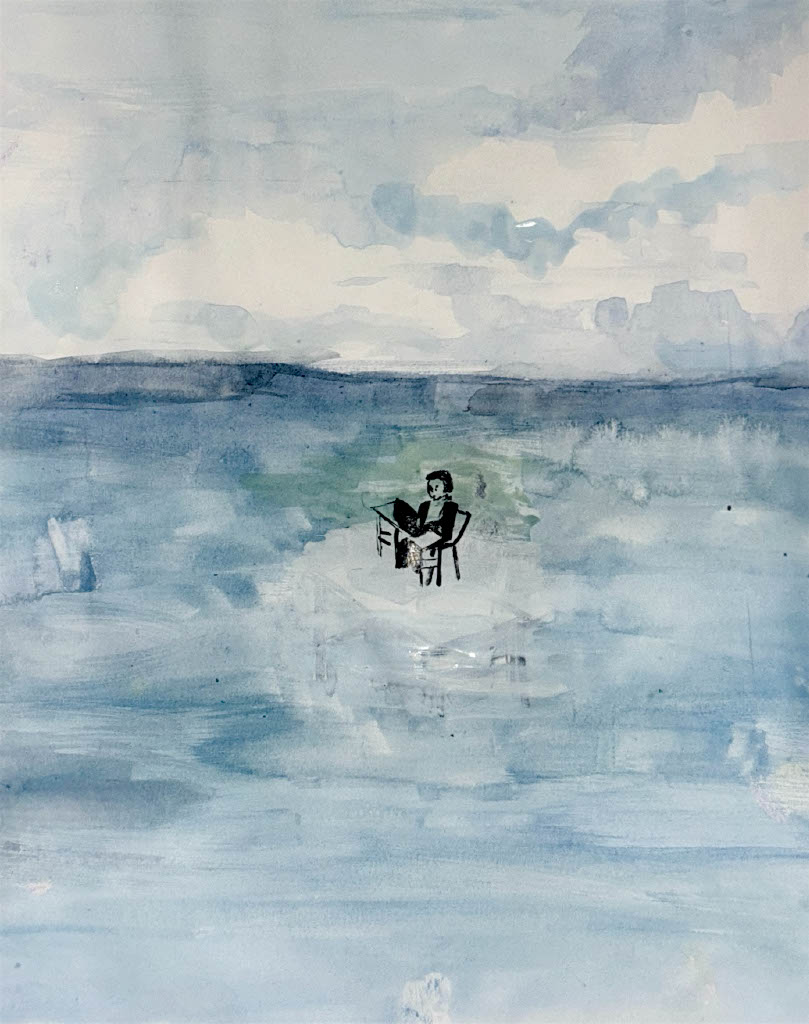
“They will dig at our bones as we did the dinosaurs’. And when they find yours and my bones twisted up in each other, they will create a great creature out of us.”
-
-
-
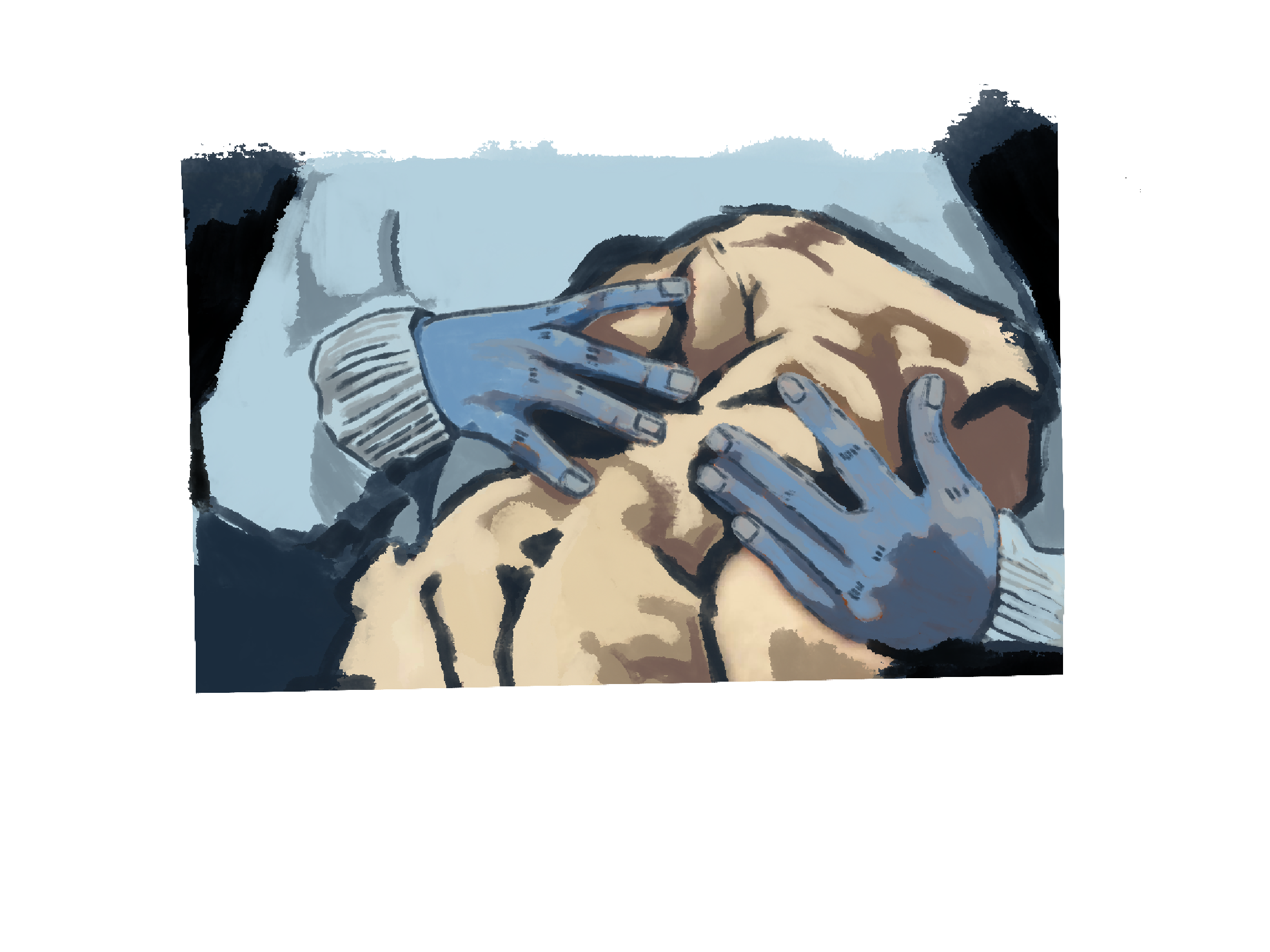
One Last Kiwi Summer
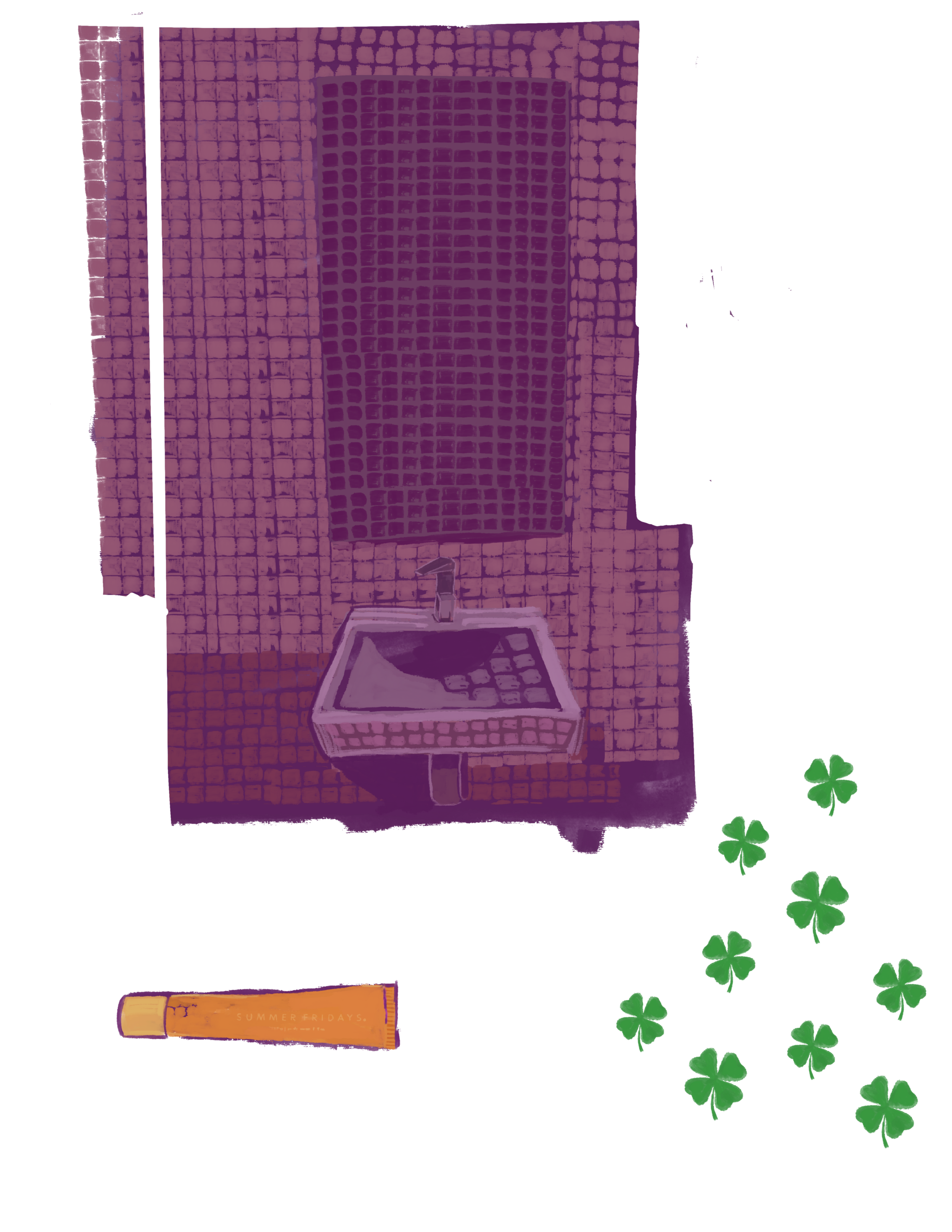
“Today I am a disposable torso, a hipbone, a back: drained of your attraction.”
-
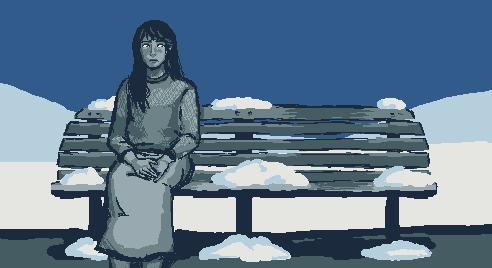
Things I’ve Been Meaning to Tell You
When I was five, I stole five dollars from your bedside table, but I felt too guilty to spend it. When we went through the house, I took your favorite wallet and put the five dollars in it. I went to the bank to get pennies because you always had pennies in your wallet. Having…
-
A Good Night’s Sleep
“The man wandering through Chinatown called his pregnant wife and told her he’d found a new tenant for the second floor of their brownstone. The tenant’s name was Mary.”
-
Web of Memory
“The words rest between us, I hope, like a rope of reconciliation. She never takes hold, however. The line severs.”
-
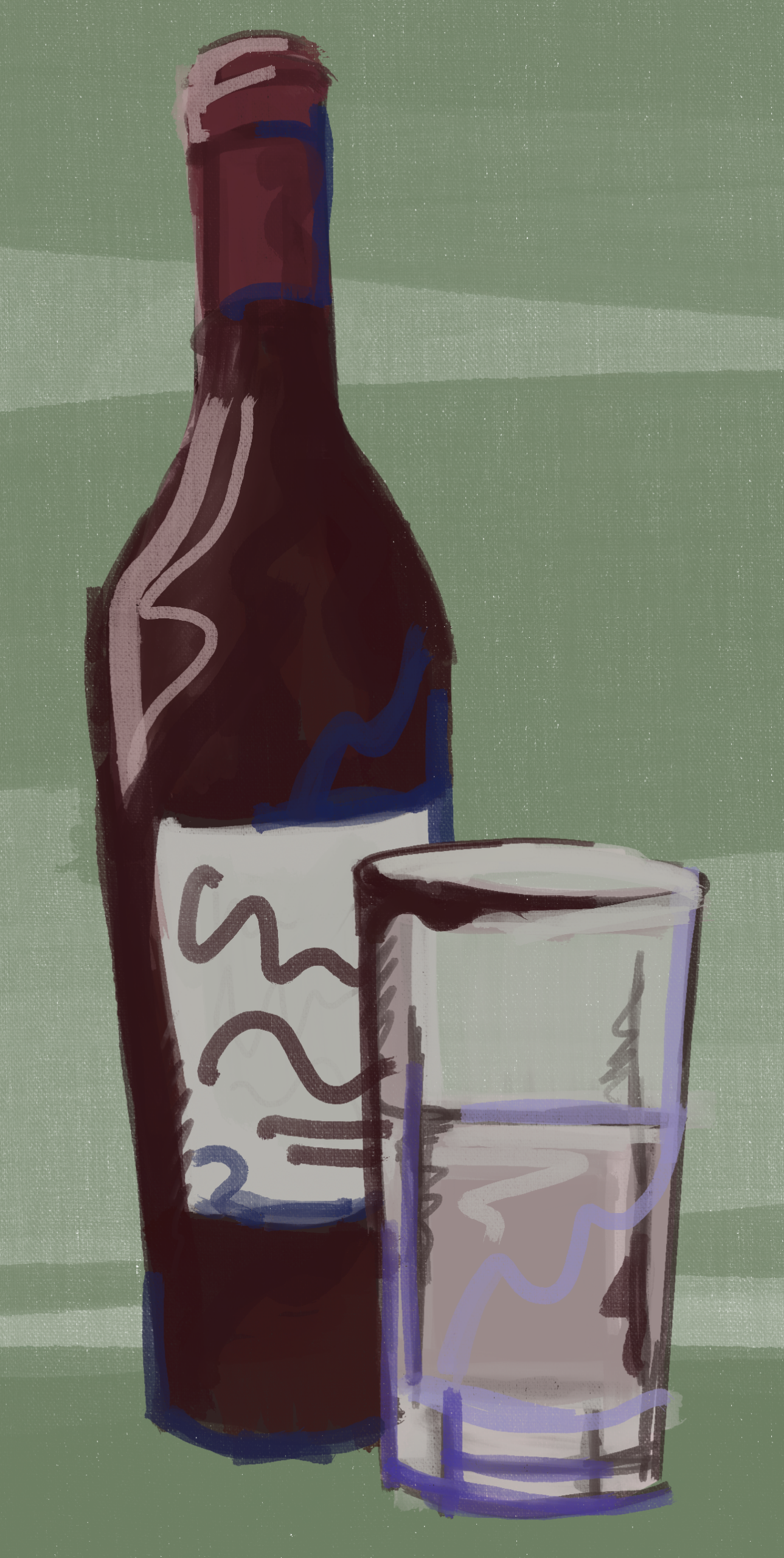
A Bad Habit
“She turned her head and looked up at the thin cracks in the ceiling. Her eyes traced the ruptures above them and Lizzie wondered what it might make it collapse. He turned his head and grabbed her face so her eyes would meet his, touched his nose to hers.”
-
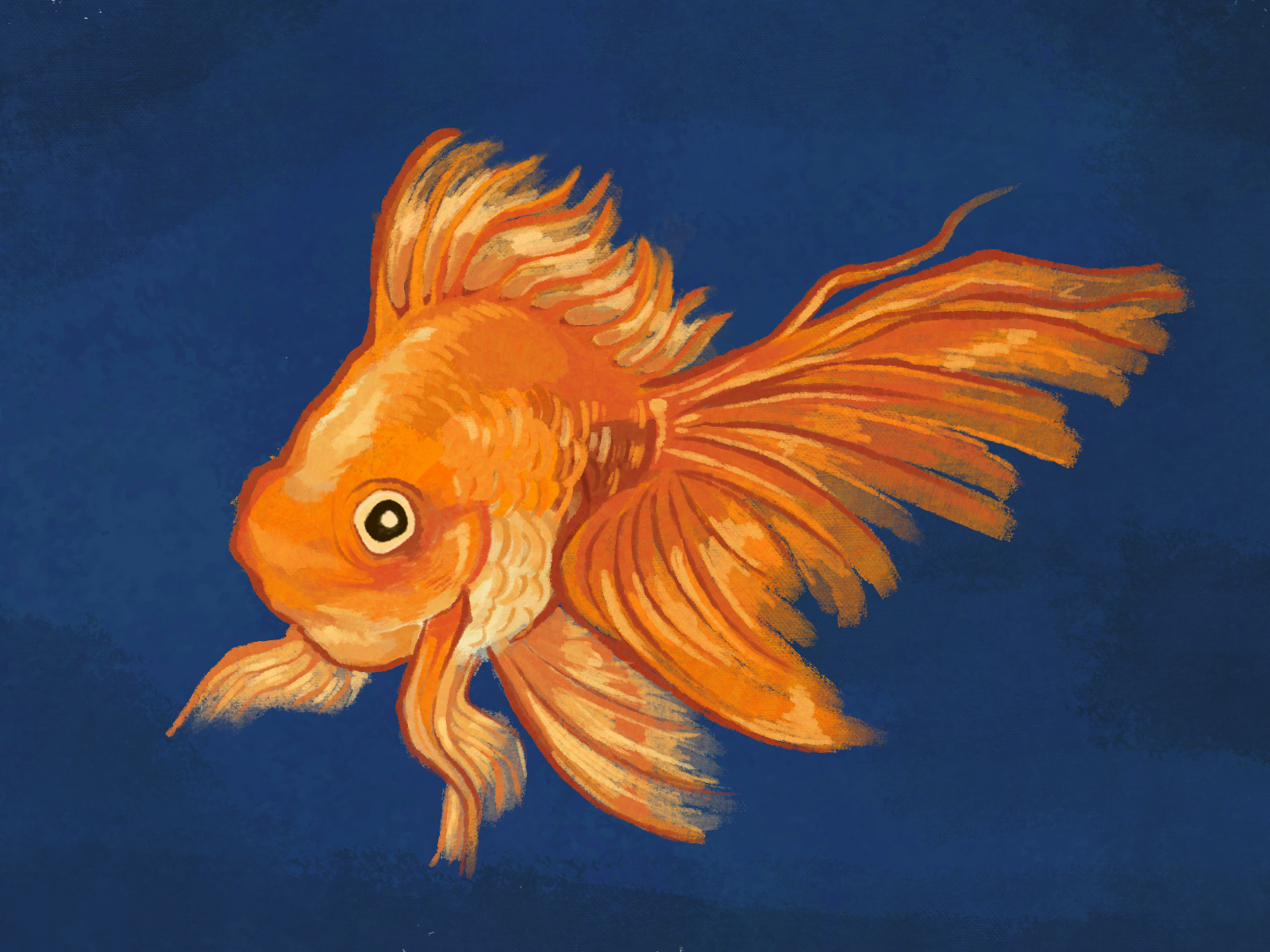
Initiation Spins
“Some guy I must’ve known threw his hand over the glass to block me. He mouthed something I couldn’t hear, as if we were underwater, and tapped his finger on the side of the glass. Someone’s phone flashlight blinded me as it attempted to illuminate what was in it. Someone screeched.”
-
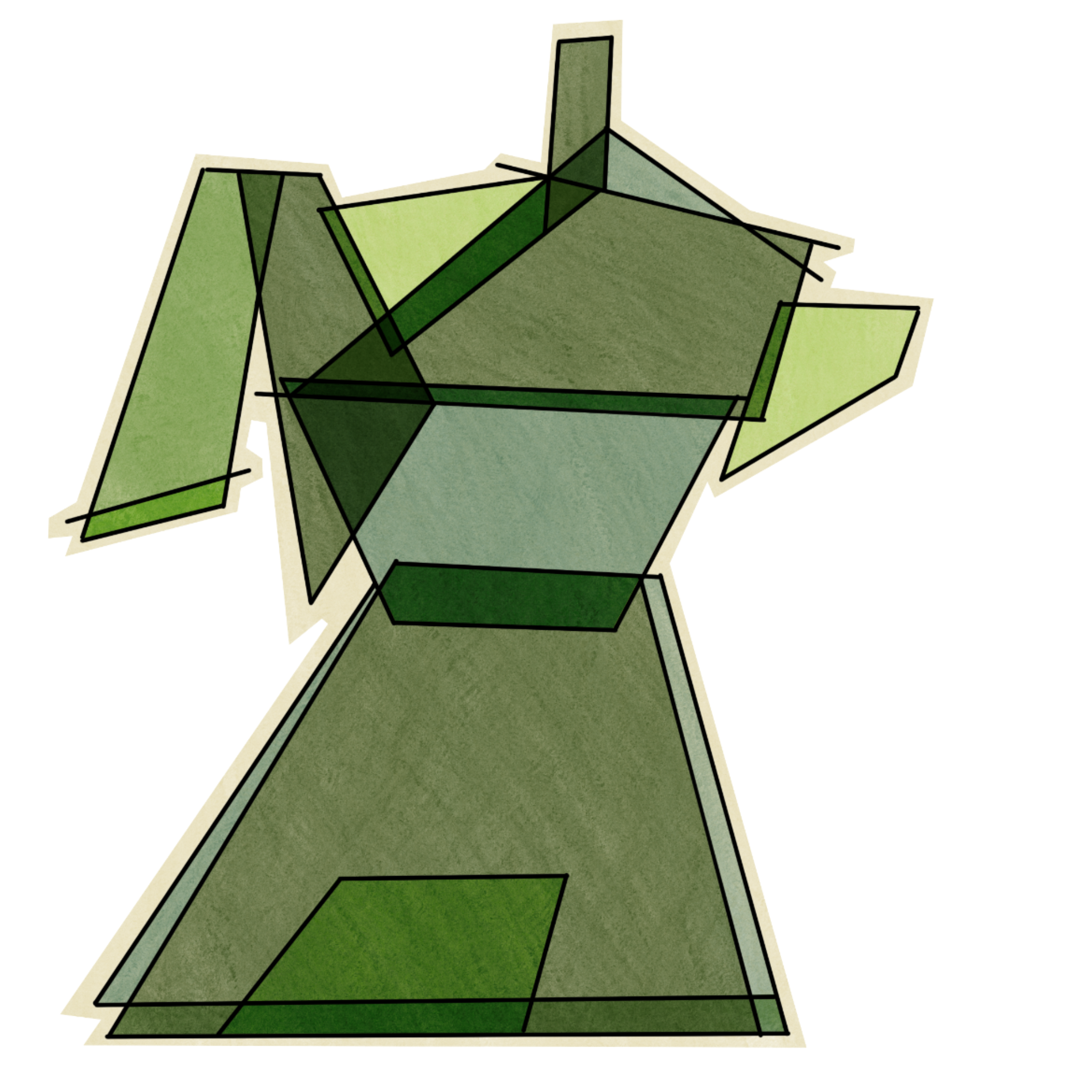
Allen’s New Kettle
“For a moment, Allen just stared at the kettle. The room felt smaller, like the air had thickened. He thought of Ryan, of work, of losing the job, and the apartment, and everything else, and then looked back at the kettle’s bright little screen, now a meadow in the wind, calm, and endless.”