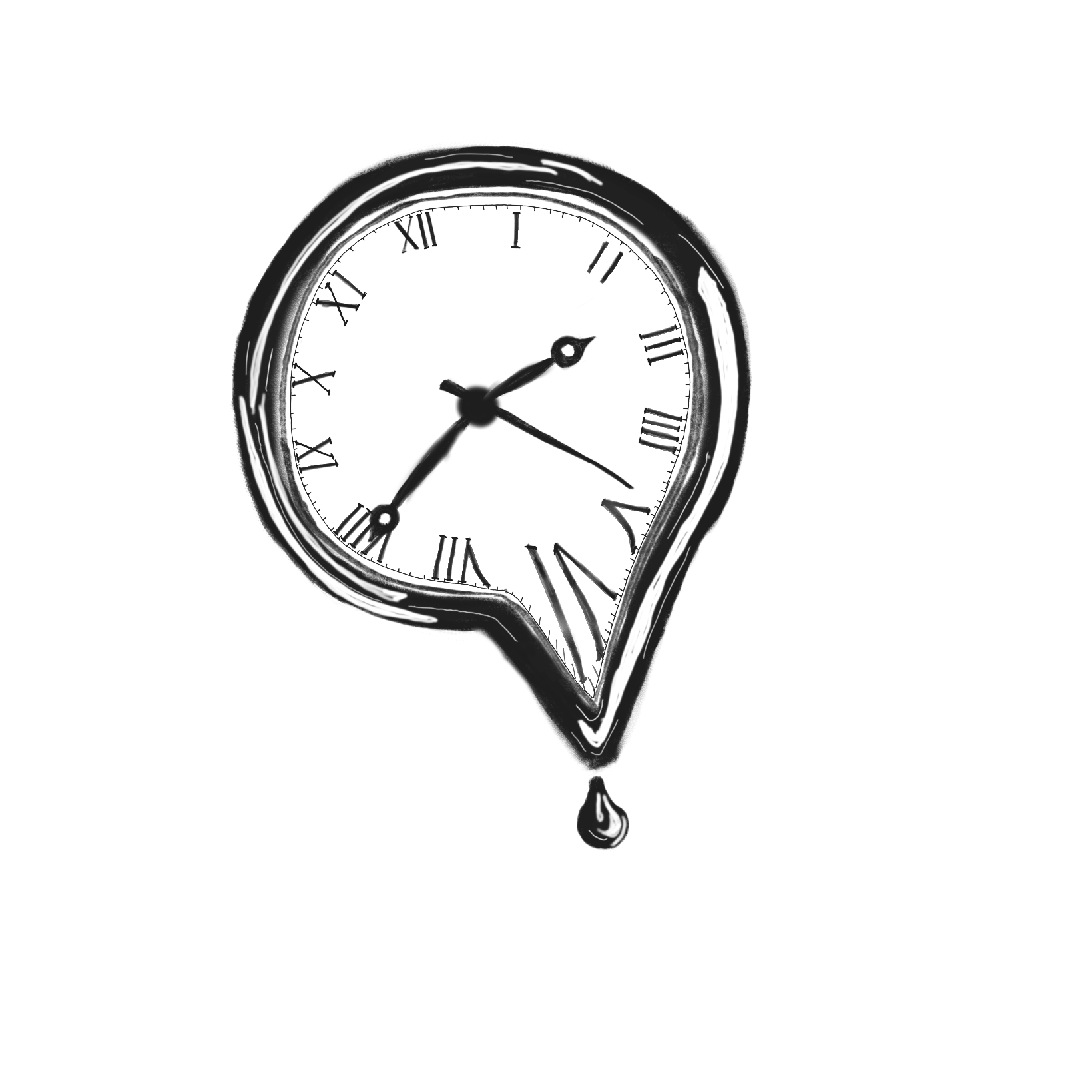
Long chair, cicada songs, afternoon light, slow exhales. Chlorine clung to my skin, gently coexisting with the light scent of lavender from before the swim. The heat softened me into stillness, and the crickets—or whatever musically inclined insect is native to Southern France—played their endless summer songs. I could feel the sun pressing into me like a slow exhale, the weight of a damp towel, a breath held too long. My skin was drying, stretched tight like it might crack if I moved too quickly. I didn’t move. I wanted this to last, caught myself in a cliché, and suddenly had the urge to write the feeling down.
Lying still on a terrace I stumbled upon right outside Aix’s biggest piscine, I rested my head on my folded arms and finally closed my eyes.
And then I thought: writing couldn’t possibly hold it.
This was a moment for film. A wide shot. A sunlit body. A long silence filled with crickets. No music. Just the breath of summer and a towel curling at the edge of a long chair.
A wide shot. A sunlit body. A long silence filled with crickets. No music. Just the breath of summer and a towel curling at the edge of a long chair.
It felt like a moment created only to be captured by the materiality of cinema—lit for 16mm film stock, with its grainy warmth and dusty softness. Not the modern crisp digital realism, but that tender imperfection of early color film, just after the age of black-and-white. Let the grains tell the story, the way mood surpasses motion. Here rests a scene that does not need dialogue, only light and duration; something only to be watched, not explained.
So I started thinking of Éric Rohmer. How almost nothing happens in his films, but everything does, as he captures every human emotion in recreating each season. A Summer’s Tale floated across my mind with its delicate, sensational mess—a film where a quiet, indecisive man finds himself entangled with three different women while on vacation, and somehow, the plot hinges on nothing more than long walks, half-meant promises, and a trip to an island that never happens. What struck me wasn’t the drama—there hardly was any—but the way Rohmer made a film out of mundane hesitation itself. Gaspard, the protagonist, isn’t exactly noble or heartless; he just cannot make a choice, and that indecision decides the architecture of the film. Watching it with a “rational” friend felt almost embarrassing—how could I explain that the power of the story wasn’t in what he did, but in what he didn’t do? It felt as if free will didn’t exist, or it existed in surplus: each choice equally possible, equally fruitless. In the end, in the classic Rohmerian way, nothing really happens, and that’s the whole point.
Lost in this meaningless series of thoughts, I suddenly realized how rare this was—doing absolutely nothing, and not feeling guilty about it. At other times of the year, I would’ve already reached for something: a to-do list, a reminder, the false comfort of checking the hour. But here, sun-drunk on the terrace, I let the moment stretch. That afternoon, I had no one to meet, nowhere to be. Just the sun, the crickets, the subtle aftertaste of chlorine on my lips.
And yet, even in that stillness, I felt time passing. Monday, I would start work again; I would be taking the hour-and-thirty-minute bus to the neighboring city. The weekends were already running out; there really were just two more left when I could swim and sunbathe. I wouldn’t get many more like this—hot, idle, selfish afternoons where I could feel like a cricket on vocal rest. Around me, locals sunbathed in stillness, read paperbacks behind big sunglasses, waited for friends without checking the time. I wanted to stay there longer, not just on the terrace but in that rhythm of slow days and quieter vibrations.
This didn’t feel like something that could happen in Paris, or anywhere in the north. It felt Cézannian, Camusian, every person associated with the Provençal region. It reminded me, too, of that Godard film Le Mépris—all the sun-drenched stillness, all the crystalline statues by the ocean. The way Brigitte Bardot’s body became a site of miscommunication, longing, and suppressed rage. Summer in that film could have burned me alive if I stayed too still for too long. Idleness there hardly remained innocent; it served as a punitive beauty. And I used to not just find that melancholy beautiful, but sexy, too, seductive in the way people often assume emotional women must find suffering profound, as if our depth comes from mistaking pain for meaning. But now I just wondered: everyone in that film was miserable, weren’t they? It was meant as a shimmering ache.
The heat on my body started to feel unbearable; I hadn’t put on sunscreen. Foolish, maybe, but understandable—I hadn’t even known this terrace existed until I stumbled upon it. My skin was burning now, exposed and unaware, and it felt strangely transactional, as if I had offered my bare body in exchange for feeling held by the serene afternoon.
In an old interview, Marguerite Duras said, If I am not a writer, I will be a prostitute. I used to think she was so courageous for saying that, for naming the transactionality of attention, the way both professions demanded a certain performance of intimacy that inevitably bruised the self. But now, under the unapologetic sun, I wasn’t sure if I still agreed. Lying there in stillness, doing nothing but being watched by light, I felt emptied out by visibility and couldn’t tell which role was harder. Maybe both were ways of starving a part of yourself in exchange for being seen—they make the most colorful spectacle and ask you to stay there long after you have completely gone quiet inside.
Lars von Trier floated up next, uninvited, as he tended to do. I remembered watching Melancholia in high school because my favorite English teacher had recommended it. In fact, he hadn’t recommended it—he only mentioned it in passing, and really tried to make sure I understood that it was not meant as a recommendation, considering I was only sixteen. But that was the best kind of recommendation, and when I rewatched the film two years later, it felt like someone pressing their fingers into a bruise I’d forgotten I had.
I don’t think anyone forgets the opening: the collapsing horse, the bride sinking in slow motion, the world ending in its most literal sense. Those images burned into my mind like film left too long in the projector. His films became part of my late teens, part of my early understanding of being a woman. That mixture of cruelty and beauty, of stillness mistaken for composure, of apocalypse rendered in such aesthetic detail it felt almost tender. There was always the sense that the earth might explode, but at least it would look cinematic as it went. And for some reason, I needed that back then, the image of a final gathering of two women and a kid as a planet devoured them.
A dear friend I met in this lovely southern French city, after I told her that my holy trinity of aesthetic chaos was perhaps Jean-Luc Godard, Wes Anderson, and Lars von Trier, told me I desired immaculate symmetry within chaos—Google-Calendar-obsessed yet anarchist in a way that hated structural hierarchy and pursued the rebellion of youth. That did quite sum me up: someone obsessed with symmetrical frames and untamed youth, torn between tenderness and cold provocation.
And perhaps that was why I ended up here, on this terrace, burning slightly, feeling everything, doing nothing. Someone who could lie still for an hour and still be overthinking whether words, and words alone, could capture the scene. Whether this moment needed to be ordered, archived, aestheticized, or whether it was enough, just to let it pass.
The man beside me was still reading with sunglasses on, unfazed by the heat, as if he trusted the light to stay gentle. I wondered what he was thinking, if his voice was talking to himself at all. Maybe he was so used to such afternoons, he had long since stopped trying to hold them in language, or in anything at all.
And still I wished you were here, Éric.
Not to say anything. Not to explain or interrupt. Just to be still beside me. To sweat and tan a little, maybe. To watch and rewatch the way the sunlight curled at the edge of the towel. I thought you would have understood this kind of afternoon—the way it refused to be captured in words, the way it resisted narrative usefulness, the way I summoned you for no particular reason at all. I thought you would have let it pass with me—this slow, beautiful failure to do anything at all.

Leave a Reply