-

“You’ve got to stand up”: Kenneth Roth on shaping the future of human rights advocacy at Princeton
The warm glow of lamplight flickered across the wine-colored walls of Kenneth Roth’s New York City apartment as students trickled in, their gazes landing on the framed sketches lining the living room. Unlike typical works of art, these drawings—etched in crayon on simple white paper—painted a tragic yet powerful report. Sudanese children, displaced by war,…
-

-

After Trump’s win, Princeton’s right wing is preparing to take charge
The Heritage Foundation, the Whig-Clio election watch party, and Princeton’s place in the conservative orbit
-

Princeton Pro-Life on the 2024 United States Election
The political attachments and detachments of Princeton Pro-Life in the face of the general election
-
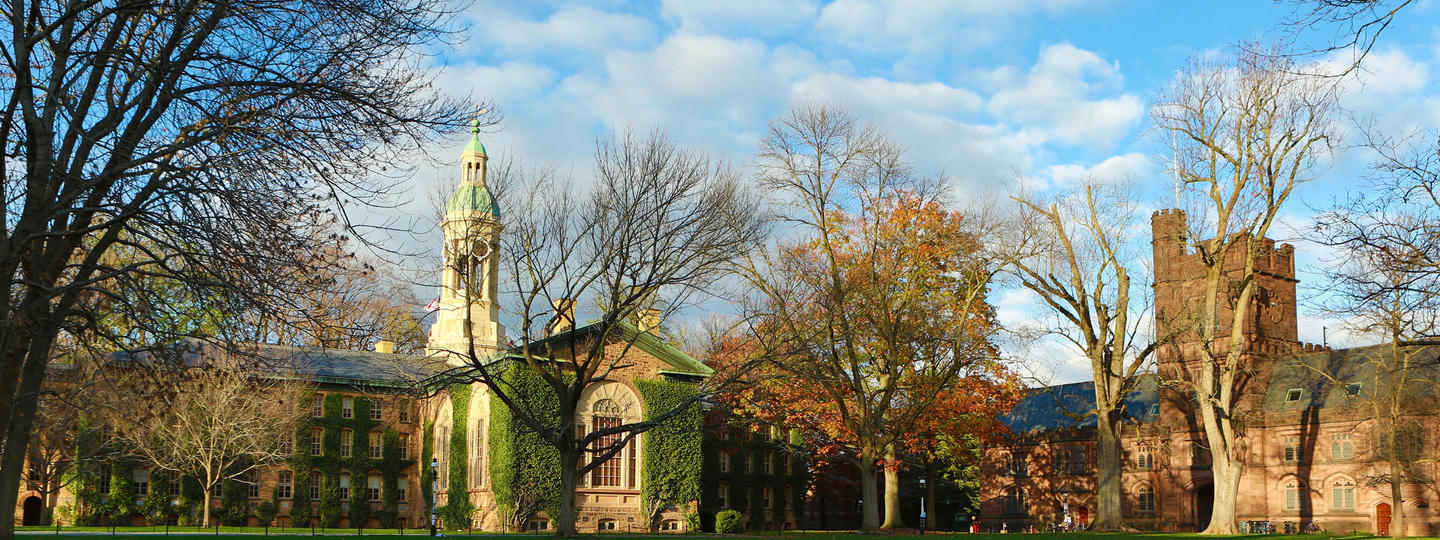
On Campus, the Israel Divestment Struggle is in Limbo
On September 30, 2024, during a Council of the Princeton University Community (CPUC) meeting, two dozen pro-Palestine protesters gathered off to the side of the room, tape over their mouths. They held paper signs with slogans such as “Princeton your hands are red,” “Anti-Zionism ≠ antisemitism,” and “drop the charges” — the latter a reference to…
-
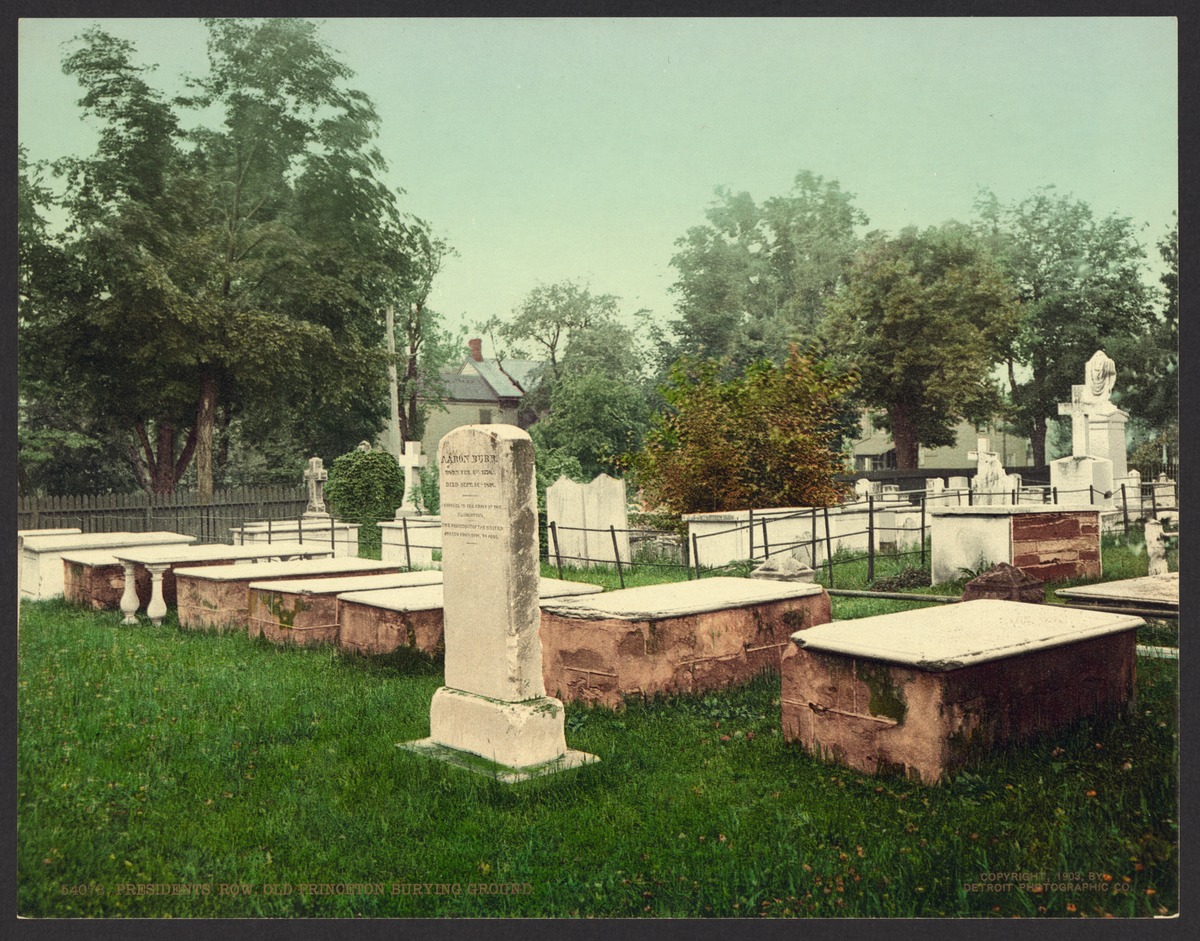
Keeping Princeton Cemetery Alive Through the Seasons
SPRING On one day you may come across a trumpet fanfare heralding a US president; on another, a woman meditating cross-legged under a tree; and perhaps on Halloween, the touch of a phantom hand. Rows of neatly arranged headstones stand next to the boulevard of trees stretching softly into the sky. Now and then you…
-

Closest to the Solution: The Story and Legacy of Princeton’s Prison Teaching Initiative
A Second Look writer speaks with formerly incarcerated students, PTI educators, and Princeton administrators about the resilience of the program
-
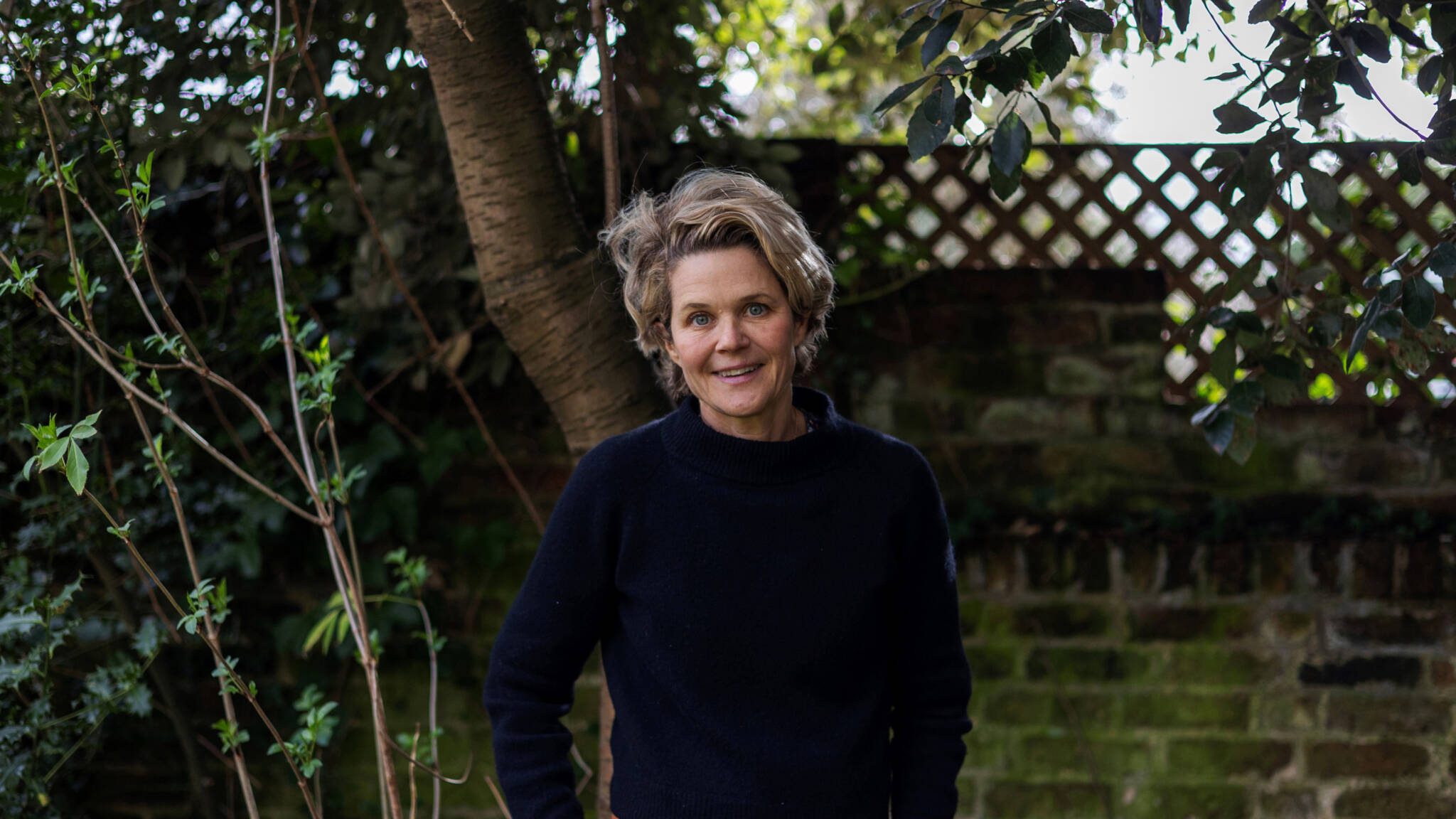
Q&A: Eliza Griswold on Journalism in a New Trump Era
A Pulitzer-Prize-winning professor talks electoral reporting and the journalistic horizon
-
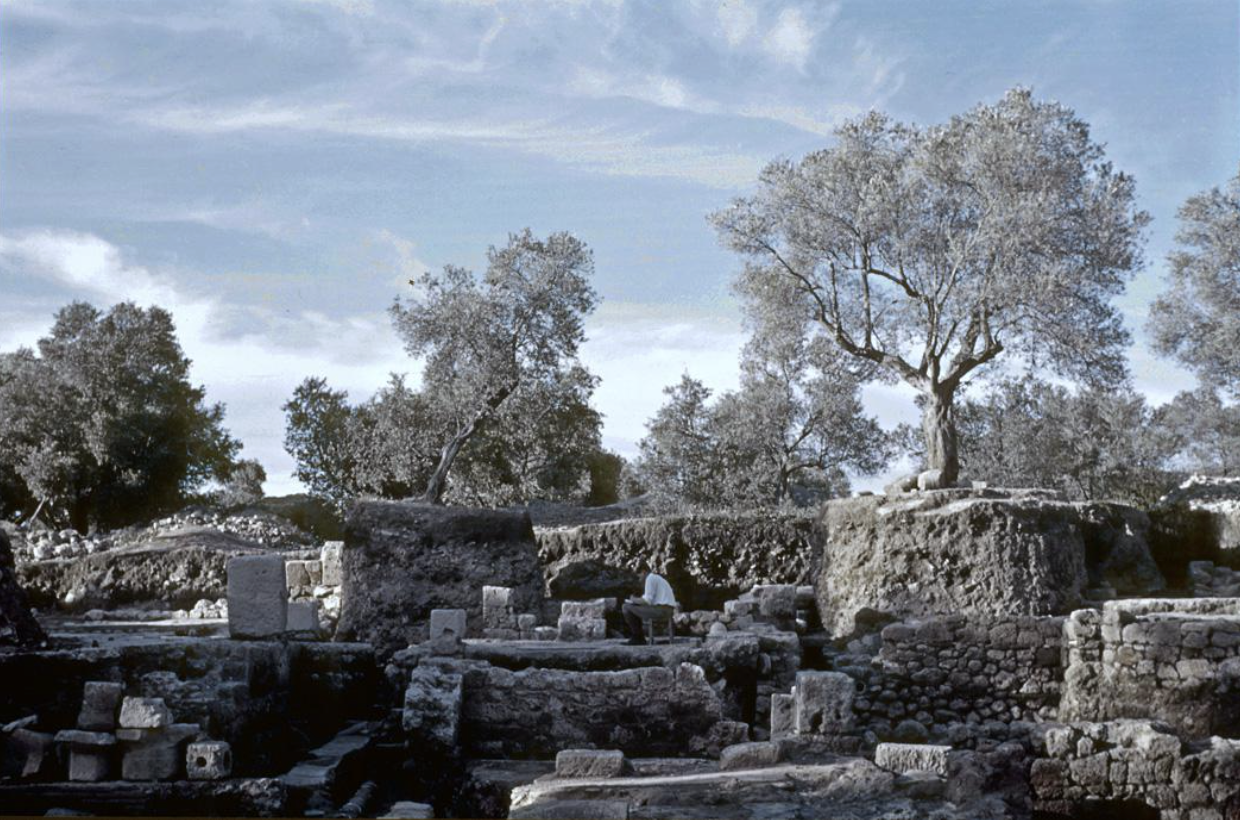
Princeton’s Mediterranean Mosaic Hunt
In the 1930s, Princeton ran its own ‘grand’ colonial excavation in the Near East. What happened next?